
Short version: Riesling tastes bright and racy, with aromas of green apple, peach, apricot, and citrus, all carried by a vivid, clean acidity. On slate soils it picks up a mineral note, and with a few years in the bottle a signature petrol aroma. It comes in every style from bone-dry to lusciously sweet - and the label tells you which.
Riesling is Germany's most important white grape and, for many drinkers, the very definition of freshness. Its signature is acidity: clear, racy, and alive, it keeps the wine taut and makes Riesling one of the longest-lived whites there is. The body is usually light and the alcohol often low, sometimes just 8 to 9% in a Mosel Kabinett.
The fruit runs from green apple and lemon in the cool style to peach, apricot, and a little mango as the grapes ripen further. Unlike a Pinot Gris, Riesling is never about body. It's about the interplay of fruit and acidity.
Few grapes are as aromatic and as crystal-clear at the same time as Riesling. These aroma groups come up again and again.
That petrol note is not a flaw. It's a classic sign of a maturing Riesling, and something many enthusiasts actively look for.
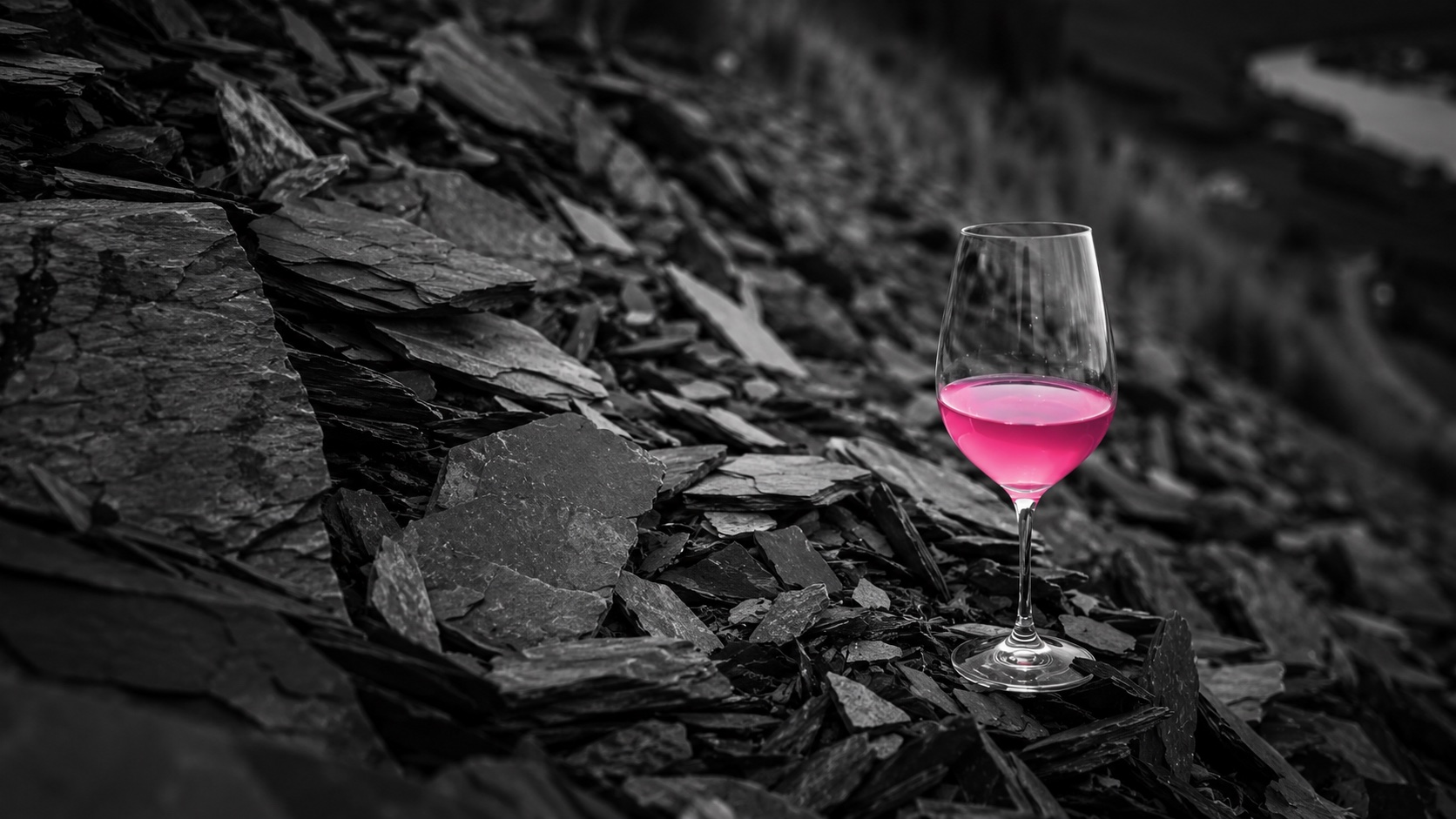
With Riesling, acidity isn't a detail. It's the backbone. It gives the wine that fresh, mouth-watering lift, balances out any sweetness so cleanly you may not even notice it, and makes Riesling one of the best food wines there is. That same acidity is why a good Riesling can age for decades without tiring.
On slate soils, like those along the Mosel or the Nahe, a salty, mineral note joins in that you can almost taste and smell. It's why a Mosel Riesling tastes so different from one grown in the warmer Pfalz, even though it's the same grape in the glass.
Here's the myth worth busting: Riesling is not always sweet. No other grape covers such a wide sweetness range, and today the most common style is bone-dry. The label tells you where a given bottle lands.
| Style | Sweetness | Character |
|---|---|---|
| Dry (Trocken) | Little to no sugar | Crisp, zesty, citrus-driven |
| Off-dry (Kabinett / feinherb) | A touch of sweetness | Balanced and easy, the acidity keeps it fresh |
| Spätlese | Riper, often gently sweet | Peach and honey, still lively |
| Auslese and up | Lusciously sweet | Dessert style, concentrated fruit |
The key is that a sweet Riesling never feels heavy or cloying, because the high acidity keeps it fresh and balanced.
Germany is the benchmark, and each region has its own accent: featherweight, mineral wines from the steep slate of the Mosel, a touch more power and body from the Rheingau, the Nahe, and the warmer Pfalz. But Riesling travels well.
Same grape, different accents. The through-line is always that bright, defining acidity.
Whether a bone-dry Mosel Riesling or a fruity, off-dry style suits you better comes down to your own taste. With VinoSomm you scan a bottle or the wine list and instantly see, with a match score of its own, whether that Riesling fits you.
Behind it is your personal taste profile: VinoSomm learns from every rating how much acidity and sweetness you like, and turns grape-variety basics into a recommendation for your palate.
Is Riesling dry or sweet? Both. Today the most common style is dry, but Riesling covers the full range up to lusciously sweet, and the label tells you which, from "Trocken" (dry) through to Auslese.
Is Riesling a good wine for beginners? Yes, and it's one of the best. Its bright fruit and clear aromas make it easy to enjoy and easy to read, so it's a natural pick if you're just getting into wine. An off-dry style is especially friendly, since a touch of sweetness softens the acidity.
What is Riesling similar to? Not much, honestly, because its mix of vivid fruit and racy acidity is one of a kind. If you love the freshness, try a Grüner Veltliner or a dry Chenin Blanc. If you want something rounder and creamier, a Pinot Gris is closer.
What is the petrol note in Riesling? It's a classic aging aroma, a whiff of kerosene or gasoline that develops in mature Riesling. It's a mark of typicity and quality, not a fault.
What food goes with Riesling? Almost anything, thanks to that acidity: fish, shellfish, poultry, spicy Asian food, and even rich, hearty dishes. An off-dry Riesling is a classic partner for spice.
Scan a bottle and your taste profile finds the match.